
College Drone Programs vs. Part 107 Certification: Which is the Better Choice?
Are you debating whether to enroll in a university drone degree program or simply obtain your FAA Part 107 certification combined with practical drone school training? You are definitely not alone. This is a highly searched topic for aspiring commercial drone pilots. The reality is straightforward: A traditional college degree will not equip you for actual commercial drone operations. A Part 107 license paired with hands-on, real-world training absolutely will.
The vast majority of commercial drone pilots do not require a university degree. To legally fly commercial drones in the United States, you only need an FAA Part 107 license. Preparation for this exam takes just a few hours and costs around $200. Conversely, university drone programs can set you back anywhere from $10,000 to $60,000. These academic routes often focus on outdated aviation theory while neglecting crucial field skills like mapping workflows, 3D modeling, and business management. Private, specialized drone academies provide the actionable, experience-based training that actually translates into paid drone jobs.
Why Academic Drone Education is Lagging Behind
When the FAA introduced the Part 107 guidelines in 2016, it created a legitimate pathway for commercial drone operations. While private training organizations quickly adapted to teach practical skills, universities lagged significantly. Between 2019 and 2025, colleges attempted to shoehorn drones into engineering departments or create "UAS degree programs" based heavily on legacy aviation theory.
Even pioneering university master's programs focused on aeronautical charts, traditional weather theory, and academic papers. They completely missed the mark on what modern pilots actually need to know: avoiding vortex ring states, managing battery emergencies, mastering mapping workflows, QA/QC for 3D modeling, and running a profitable drone business.

Is a University Drone Degree Worth the Investment?
The short answer is no. The long answer is: only if your ultimate goal is accumulating student debt.
An academic degree won't automatically grant you a Part 107 license, nor will it provide you with hands-on flight experience, enterprise-level workflows, or real-world deliverables. Instead, you receive outdated coursework and a diploma that holds very little weight with actual drone employers.
Cost Breakdown: University vs. Private Training
Traditional University Path
- University Part 107 Prep Course: ~$2,900
- Full Drone Degree Tuition: $20,000 to $60,000+
- Plus drone lab fees, software, and equipment costs
- FAA Exam Fee: $175
Private Certification Path
- Comprehensive Part 107 Training Course: ~$200
- FAA Exam Fee: $175
- Total Cost: Under $400
By choosing focused, private training, you save tens of thousands of dollars while receiving significantly more relevant and modern education.
4 Reasons College Programs Fail Aspiring Drone Pilots
1. Lack of Field Experience Among Professors
Many university instructors come from traditional aviation, early robotics, law enforcement, or public safety backgrounds. Very few have actually mapped a construction site, processed complex datasets, delivered client-ready 3D models to engineering firms, or successfully scaled a commercial drone business.
2. Outdated Academic Curricula
While academic programs often rely on material that is years old, the commercial drone industry shifts rapidly. Private training courses and industry standards evolve almost weekly to reflect new software, hardware, and regulations.
3. Fixation on Aviation Theory Over Operations
Universities spend semesters teaching METARs and traditional aircraft principles. In the real world, successful drone operators are utilizing photogrammetry, RTK/PPK systems, ground control, automated mapping missions, and field-tested risk management protocols.
4. Zero Business Training
The drone industry is primarily driven by small businesses and independent contractors. If you don't understand client acquisition, pricing strategies, workflow efficiency, deliverables, and scaling operations, an academic degree will not save your career.
The Power of the Apprenticeship Model
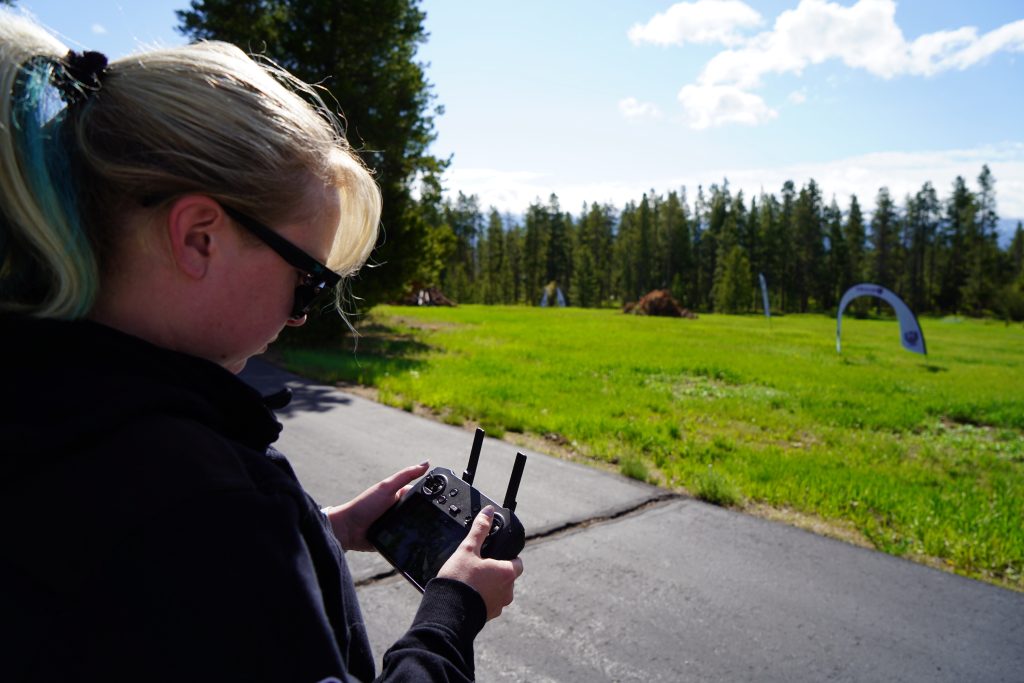
If you want to become a professional drone pilot quickly and effectively, hands-on learning is the answer. Mentorship and apprenticeship models succeed because you learn from active practitioners navigating real scenarios. This approach builds actual flight confidence, develops operator intuition, and focuses on the "why" rather than just the academic "what."
Theoretical, ivory-tower education simply cannot compete with field-tested, results-driven, experience-backed training.
Final Verdict: Skip the Degree, Get the Skills
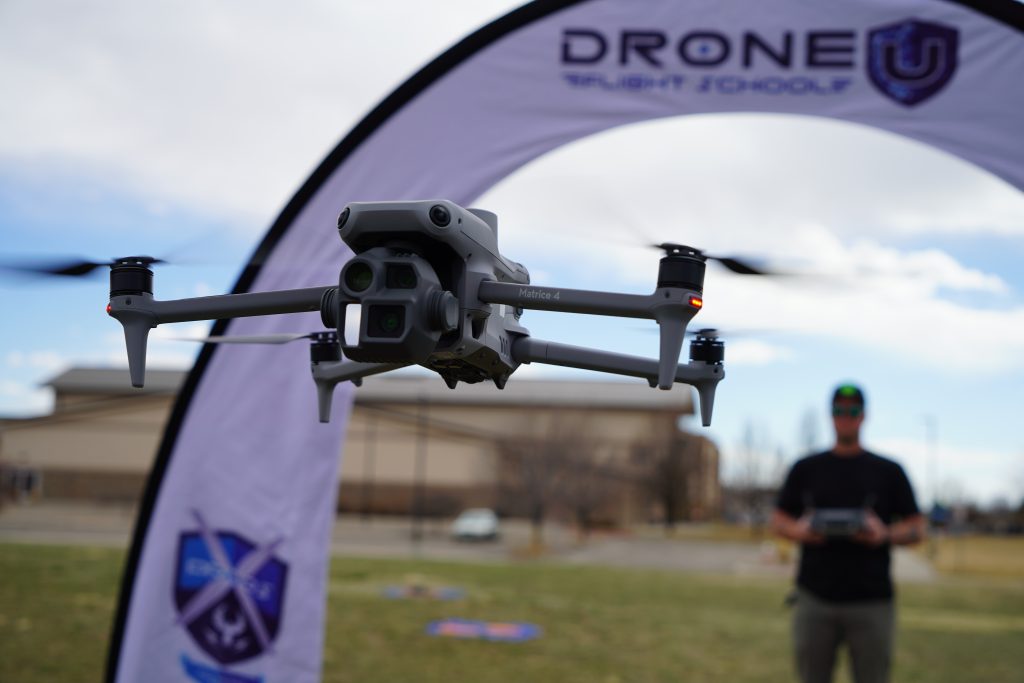
Universities are designed to produce academic students; hands-on training produces capable operators. If your goal is to master real flight skills, execute professional mapping workflows, and build a profitable business, skipping the university degree is the smartest financial and professional decision you can make.
You don't need crippling debt or outdated theory to succeed in this industry. You need an FAA Part 107 license, practical workflow mastery, solid business acumen, and unshakeable confidence in the field.
Ready to equip yourself for your commercial drone career? Discover top-tier professional drones, accessories, and gear to get your business off the ground safely and efficiently at: https://globaldroner.com/