
Discover how FPV (First-Person View) drones are doing much more than capturing breathtaking aerial footage—they are unlocking therapeutic "flow states" that offer profound mental health benefits for pilots of all backgrounds.
The Science of the "Flow State"
The concept of the "flow state"—often described as being completely "in the zone"—was pioneered by psychologist Mihaly Csikszentmihalyi. Flow is achieved when there is a perfect balance between the challenge of an activity and the skill level of the participant. During this state, people often lose track of time, experience a deep sense of control, and are driven by pure intrinsic motivation.
Scientifically, flow is much more than just a pleasant feeling; it has measurable mental health benefits. Studies indicate that individuals who frequently enter a flow state have a significantly lower risk of depression, anxiety, and cardiovascular disorders. Neuroscientists explain that flow triggers a powerful "cocktail" of neurotransmitters in the brain—including dopamine, anandamide, serotonin, and endorphins—which work together to boost mood, increase motivation, and create a sense of euphoria.
Flow as Therapy: Healing Through Immersion
Because of its incredible ability to quiet negative, ruminative thoughts and elevate mood, the flow state is increasingly being utilized as a therapeutic tool. Engaging in immersive activities helps individuals focus entirely on the present moment, which significantly reduces stress and improves emotional regulation.
Innovative researchers are even pairing drones with therapy. For instance, programs are currently using small, programmable drones to guide autistic children through Dance Movement Therapy (DMT). The predictable, repetitive movements of the drones provide a sense of calm while improving the children's concentration, flexibility, and communication skills.
Why Flying FPV is a Shortcut to Flow
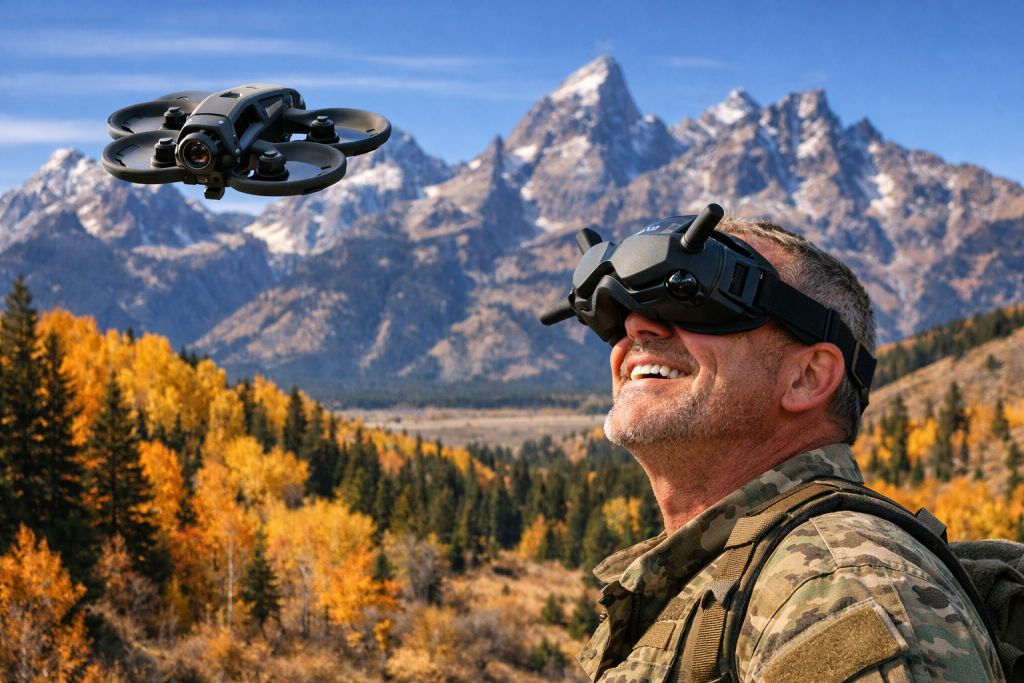
Piloting an FPV drone is uniquely designed to induce a flow state. By wearing goggles that stream a live, bird's-eye view directly from the drone's camera, pilots are virtually placed inside the aircraft. This immersive experience creates the perfect environment for flow:
- Perfect Challenge-Skill Balance: Managing throttle, yaw, pitch, and roll in a three-dimensional space constantly tests a pilot's abilities without overwhelming them. As skills improve, pilots naturally increase their speed or navigate tighter obstacles to maintain that engaging balance.
- Immediate Feedback: The real-time video feed ensures that every tiny movement of the control sticks is instantly reflected in the drone's behavior, keeping the pilot deeply engaged.
- Absolute Concentration: The constant need to navigate environments and avoid crashes demands 100% of a pilot's attention. As a result, everyday worries, stress, and self-consciousness simply fade away.
- Intrinsic Reward: For many, the pure sensation of flight is an autotelic experience—meaning the activity is highly rewarding in and of itself.
Healing for Veterans: Combating PTSD and TBI
Remarkable organizations like Wounded Eagle UAS and Vigilante Cares are actively using FPV drones to help disabled veterans manage Post-Traumatic Stress Disorder (PTSD) and Traumatic Brain Injuries (TBI). In fact, specialized drone training has even been recognized as Drone Adaptive Recovery Therapy (DART).
For veterans, strapping on a pair of FPV goggles transforms a wheelchair or a living room into a virtual cockpit. The intense concentration required to fly forces intrusive thoughts to step aside. Beyond the psychological relief, these programs provide a tangible pathway to lucrative civilian careers. By mastering drone technology, veterans are securing high-paying roles in search-and-rescue, utility inspection, real estate, and aerial mapping.
Empowering Neurodivergent Youth
FPV drones are also proving to be an incredible asset for neurodivergent youth. Educational studies are utilizing drone flight to teach high school students on the autism spectrum essential STEM skills and emotional self-regulation. Learning to pilot a drone requires students to identify their sensory preferences and use strategies to stay calm and focused under pressure. These are invaluable tools that easily translate into future workplace readiness.
Turning a Therapeutic Passion into Profit
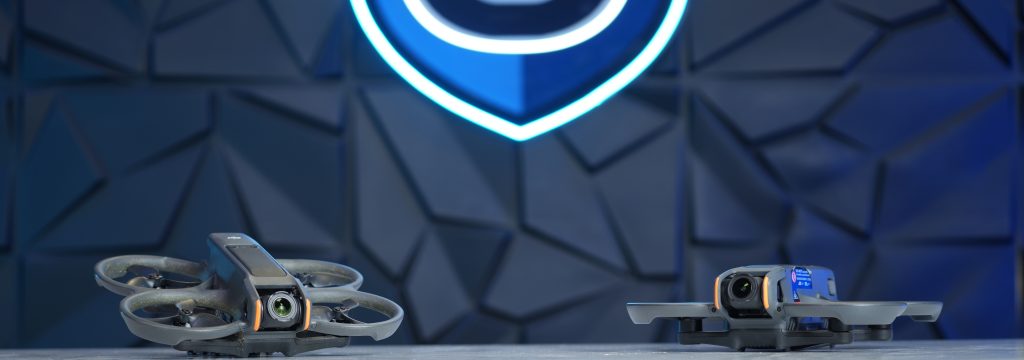
The benefits of FPV flying extend well beyond personal well-being—it is also a booming commercial industry. The market for cinematic "fly-through" drone tours is expanding rapidly. Real estate agencies, luxury resorts, and adventure tourism companies rely heavily on the dynamic, immersive footage that only FPV drones can capture.
Modern equipment makes it safer and easier than ever to monetize this passion. With drones featuring integrated propeller guards, stabilization software, and high-dynamic-range cameras, pilots can safely fly through tight corridors and indoor spaces to create seamless, breathtaking videos. For anyone seeking a career change or a profitable side hustle, therapeutic flight sessions can seamlessly evolve into a highly successful business.
Conclusion
Chasing the flow state is not just a recreational indulgence; it is a scientifically backed, therapeutic experience. Whether you are a veteran seeking peace and purpose, a neurodivergent student building focus, or simply an enthusiast looking for an escape, FPV drones offer a unique opportunity to leave your worries on the ground.
There has never been a better time to experience the freedom of flight and turn your passion into a profession.
Ready to experience the thrill of flight and find your flow? Elevate your journey with our premium selection of drones and accessories at: https://globaldroner.com/