
The Shell Company Gambit That Backfired
For a long time, raising security concerns about DJI hardware was met with ridicule and dismissal within the drone community. Pilots were told to "stop emotionalizing the issue" and look at the facts. Now, the truth is coming to light. DJI attempted to outsmart U.S. policymakers by creating shell companies to sneak new hardware through FCC authorization. This wasn't a minor miscalculation; it was a monumental strategic error. Instead of addressing legitimate federal security concerns head-on, DJI tried to find a side-door loophole.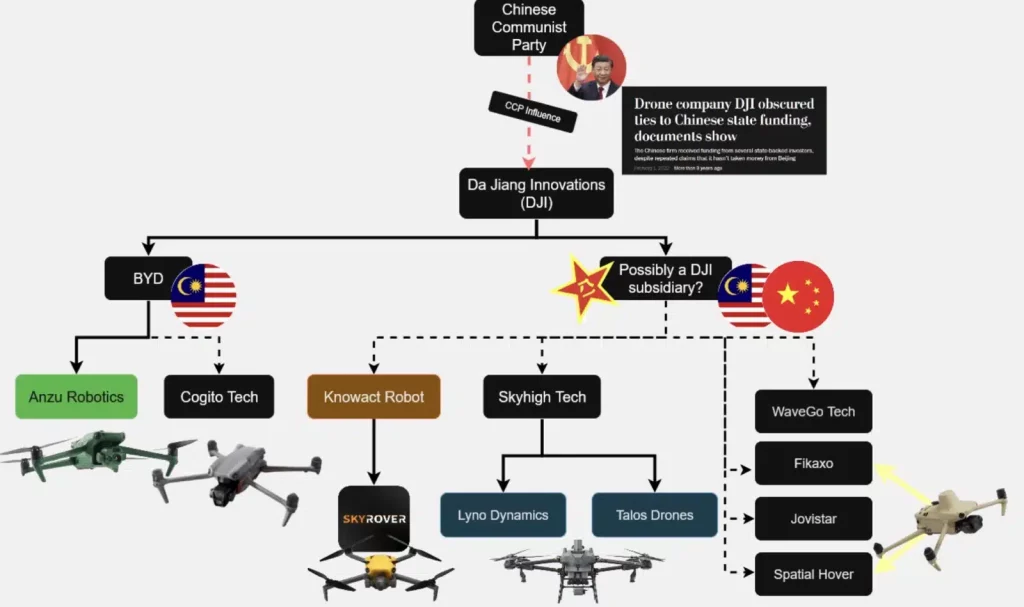 When lawmakers discovered that shell companies were being used to mask DJI's involvement, it triggered an aggressive and irreversible response. DJI lost its credibility, its trust, and its ability to influence future outcomes. In this high-stakes geopolitical game, American drone operators were treated as acceptable losses.
A Missed Opportunity for True Security
The most frustrating part of this crisis is that it was entirely avoidable. DJI had the resources to build drones that passed rigorous, true security validations. Instead of relying on SOC 1 or SOC 2 compliance—which cybersecurity experts know is insufficient for preventing hardware backdoors—or clever legal workarounds, DJI could have engineered a genuine solution. They could have partnered transparently with U.S. agencies and demonstrated good faith. Instead, they gambled with the future of the entire industry.The Harsh Reality for Drone Pilots
Many drone pilots are now waking up to an uncomfortable truth: they were used as leverage. Pilots were the product used to move inventory, generate public outrage, and attempt to sway Washington. Many genuinely believed that their collective anger could alter federal policy. It couldn't. A divide is now forming in the industry. A small group of forward-thinking operators recognized the trendlines early. They stayed objective, realized that a "DJI-only" business model was unsustainable, and began transitioning to platform-agnostic workflows. On the other side are pilots who are doubling down on brand loyalty and emotional outrage. The reality is simple: operators who adapt will thrive. Those who stay angry will lose their competitive edge.The Transition Period: What to Expect
The next 12 to 24 months will undoubtedly be the hardest, but they will also be the most transformational. This period will act as a rebuilding phase where non-DJI platforms will mature, stabilize, and innovate. Once the dust settles, the industry will stop viewing the DJI ban as a crisis. Clients don't care about political drama; they care about deliverables. Pilots will naturally gravitate toward whatever system offers the best performance, security, and reliability.Practical Advice: What You Must Do Now
Despite the current climate, you can still purchase certain DJI models, including:- Mini 5 Pro
- Mavic 4 Pro
- Matrice 4 Enterprise
- Turn on your phone’s hotspot.
- Change the hotspot password.
- Activate your drone.
- Never let the drone connect to Wi-Fi again—ever.